How a Dentist Uses Dental Implants to Replace a Missing Tooth
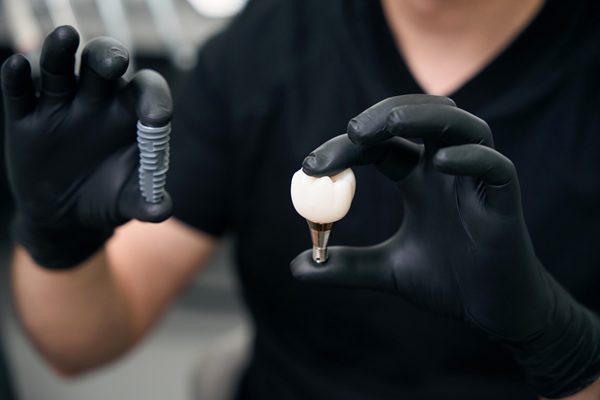
Dental implants are artificial tooth roots that bond with natural bone to support one or more replacement teeth. Dental implants can give patients functional, natural-looking teeth to help them feel more comfortable and confident in their daily activities. In addition, dental implants can last for many years with the proper care and maintenance.
If you need to replace your teeth or want to improve the appearance of your teeth, our team can discuss options for dental implants. Our team can also help you decide whether dental implants are ideal for you and if they can improve your current oral condition. Read on to learn more about the procedure.
The dental implant installation process
Getting dental implants can take up to several months to complete and usually begins with an initial consultation and evaluation. During the first appointment after the consultation, the dentist will perform surgery to place the implant into the jaw. A local anesthetic may be necessary to reduce pain during the procedure.
The implant may need a few months to bond with and integrate into the jawbone. Once bonded, the dentist will attach an abutment or post to the implant and allow some time for gum tissue to grow around the abutment. After the gums heal, the dentist will attach a crown of replacement teeth to the abutment that appears and functions like a healthy, natural tooth.
What to expect after getting dental implants
As with any other type of surgery, the dental implant procedure may cause minimal discomfort, especially during the first few weeks following treatment. Common symptoms may include swelling of the gums and face, bruising of the gums and skin, and minor bleeding. There may also be some pain at the implant site, which is manageable using an ice pack and taking pain medications.
The dentist will provide post-operative instructions to make a recovery as fast and comfortable as possible. A good practice for any dental implant patient involves eating soft foods until chewing feels more natural and practicing exceptional oral hygiene to keep the site clean and free of harmful bacteria. The dentist will also provide information on reducing the risk of infection. The patient’s adherence to aftercare instructions greatly influences their recovery time and the longevity of their implants.
Caring and maintenance
Caring for dental implants is much like caring for real teeth. Dental implants can last a lifetime with proper care and immediate adjustments when needed. Brushing and flossing regularly, rinsing with antibacterial mouthwash, and visiting the dentist regularly for check-ups are crucial to caring for and maintaining implants.
A few additional steps may be involved in caring for dental implants. These include brushing under and around the implant crown, using an interdental brush to clean hard-to-reach areas, and using a water flosser in addition to standard dental floss. We will provide patients with individualized care instructions and schedule follow-up appointments as needed.
Book your dental implant consultation
If you are considering options for tooth replacement or cosmetic improvements to your teeth and smile, our team can evaluate and discuss your options, including dental implants. Call our office today at (305) 404-5447 to learn more about the dental implant procedure or to schedule a consultation.
To learn more about our services, visit https://www.eckeroralsurgery.com or call our South Miami office at (305) 404-5447 to schedule an appointment.
Check out what others are saying about our dental services on Yelp: Dental Implants in South Miami, FL.
Related Posts
Dental implants are the gold standard of dental replacements. Titanium rods and porcelain crowns are the most stable dental replacements you can get. Once osseointegration ends, you will have a strong, stunning smile again. Knowing the advantages of dental implants can motivate you to see your dentist about getting these restorations. Here are the three…
Seeing an implant specialist can give you a brand-new, natural-looking smile. Losing even one tooth can cause chaos in your mouth. That is why you must get dental implants — the gold standard of restorations. Here are some questions you can ask your implant specialist on consultation day.Dental implants are stable dental restorations that merge…
Your oral surgery consultation is necessary before you go through the procedure. This visit will give your provider enough information about your dental and general health. It is also a chance for you to inquire about the surgery. Here are three questions that you can ask your provider before your oral surgery.Each procedure and patient…
Oral surgery can sound intimidating; however, being prepared can help alleviate the anxiousness of the unknown and prevent complications. To ensure the procedure goes smoothly, patients must follow all instructions pertaining to the days leading up to, during, and following operation day. Here are a few things to remember, no matter the type of oral…