Common Reasons for an Oral Biopsy from an Oral Surgeon
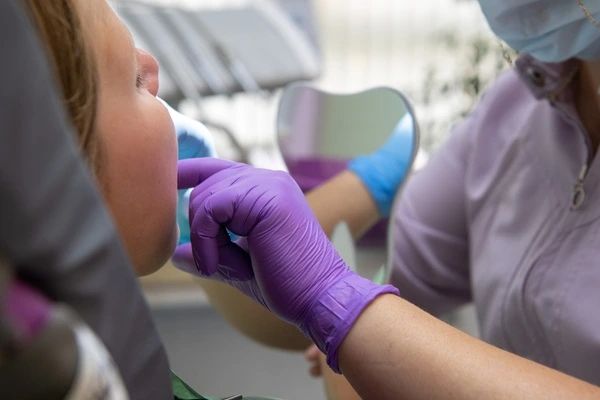
If a disease or abnormality in your mouth is discovered during a checkup, your provider may choose to perform an oral biopsy. This is a surgical operation in which a tiny portion of tissue from the area is taken to identify the anomaly’s source and whether it is malignant. The oral surgeon will take a sample from your gum, jaw, or tooth if the lesion is in the bone or soft tissue of your mouth.
The need for an oral biopsy
The following are reasons why a dental professional might recommend an oral biopsy:
Presence of lesions: Some lesions might make it difficult to eat and speak. A biopsy may be necessary to establish what is causing the lesion and give an appropriate diagnosis and treatment.
Oral cancer: If the dentist has reasons to suspect a patient has oral cancer (which affects the head, neck, and mouth), a biopsy can be done to confirm the diagnosis. A biopsy can help establish the stage and extent of oral cancer and its source if the patient has already been diagnosed.
Conducting the oral biopsy
Oral surgeons specialize in diagnosing and treating diseases and injuries of the mouth, face, neck, and jaw. During the appointment, a comprehensive examination of the neck and head will be conducted, as well as the oral biopsy. An oral biopsy involves removing a tiny sample of suspicious tissue from the mouth and sending it to a lab to be examined for disease. Based on the facts in the final report, a personalized treatment plan will be created.
Types of biopsies
In general, the dentist will choose between two types of oral biopsies. An incisional biopsy is the first option. In this process, the dentist takes tissue from the lesion and another sample from the healthy gum or tooth region around it and compares the healthy and potentially diseased tissue.
On the other hand, an excisional biopsy is a technique in which the surgeon takes out the whole lesion. Excisional biopsies are usually done on tiny growths in easy-to-reach areas of the mouth. Excisional biopsy is a diagnostic technique that also stops the issue from spreading further.
The tissue sample might be taken from the mouth region using a variety of methods. This decision is based on a thorough evaluation of the type of growth and its precise location. A needle must be inserted to extract a sample in certain biopsies. A tiny needle biopsy is one of the options accessible to the surgeon. In this procedure, a needle attached to a syringe is introduced into the mouth, and a cell sample from the affected tissue is collected. A core needle biopsy, on the other hand, utilizes a blade to extract a tissue sample.
The dental professional may also do a brush biopsy. This is a noninvasive technique for growths in areas of the mouth that are easily accessible, such as the gums. A brush is scraped vigorously on the lesion to obtain tissue samples.
In conclusion
If you have noticed certain signs around your oral cavity like sores or lesions, you may need to undergo an oral biopsy from an oral surgeon. Book an appointment today to get additional information about the procedure.
Request an appointment here: https://www.eckeroralsurgery.com or call Ecker Oral Surgery at (305) 404-5447 for an appointment in our South Miami office.
Check out what others are saying about our services on Yelp: Oral Biopsy in South Miami, FL.
Related Posts
A coronectomy involves removing an impacted wisdom tooth that places a nearby nerve at risk. Instead of removing the entire tooth, this procedure involves removing the crown while the roots remain in place. Recovery is usually similar to wisdom tooth surgery, although the details can vary from person to person. Most symptoms ease within a…
Wondering how to take the proper steps after your oral surgery? Read on to learn more. Oral surgery is a routine procedure for many dental professionals but it can often be a daunting experience for patients. Regardless of the procedure, whether it is wisdom tooth removal, dental implants, or corrective jaw surgery, ensuring proper aftercare…
The period following an oral surgery procedure is an important one. It is time to relax and take care of yourself to support a successful healing process. The oral surgeon will send you home with aftercare instructions for your procedure. However, the following advice applies to most oral surgeries and will help ease recovery.You should…
Oral surgery can help improve your appearance and oral health. A licensed provider can prepare you well for your procedure. This includes explaining each procedure that you may need. Here are the common procedures in oral surgery that you must consider.A healthy jawbone provides a stable foundation for teeth. Studies show that jawbone loss can…